
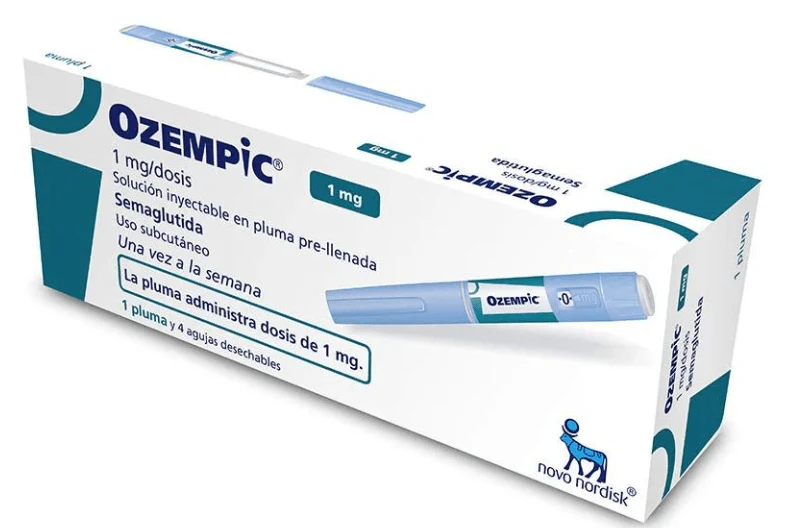
In recent years, medications like Ozempic (semaglutide) have exploded in popularity for weight loss and diabetes management. These drugs, known as GLP-1 receptor agonists, mimic a hormone that regulates appetite and blood sugar. While they’ve helped millions shed pounds, they’re not without risks. This post dives into the potential dangers, with a special look at their link to hepatitis and liver issues. We’ll draw from peer-reviewed studies and reputable sources to keep things factual and balanced.
What Are Ozempic and Similar Drugs?
Ozempic is the brand name for semaglutide, a GLP-1 agonist injected weekly. Similar drugs include Wegovy (also semaglutide), Mounjaro (tirzepatide), and others like liraglutide (Victoza or Saxenda). They’re FDA-approved for type 2 diabetes and, in higher doses, for chronic weight management in people with obesity or overweight conditions. They work by slowing digestion, reducing hunger, and improving insulin sensitivity, leading to significant weight loss—often 10-20% of body weight in clinical trials.
But popularity comes with scrutiny. As more people use them off-label for quick weight loss, reports of side effects have surged. Let’s break down the risks.
Common and Serious Dangers of GLP-1 Agonists
Most side effects are gastrointestinal (GI) and mild, but some can be severe. Up to 20% of users experience nausea, vomiting, diarrhea, or abdominal pain, often leading to dose adjustments or discontinuation. These drugs slow stomach emptying, which can cause gastroparesis (stomach paralysis) in rare cases.
More serious risks include:
- Pancreatitis: Inflammation of the pancreas, reported in some users. A large analysis of over 34,000 people found no increased risk compared to placebo, but it’s listed as a potential side effect.
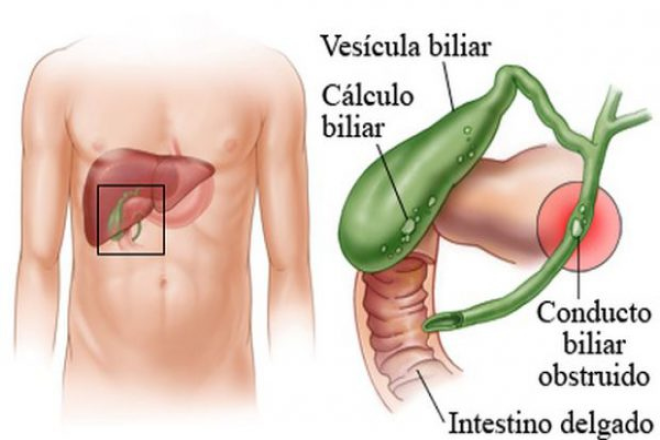
- Gallbladder Issues: Rapid weight loss can lead to gallstones. A meta-analysis of 76 trials showed a 37% higher risk of gallbladder and biliary disorders with GLP-1 agonists, especially at higher doses or for weight loss.
- Kidney Problems: Acute kidney injury has been linked, though rare.
- Thyroid Cancer Risk: Ozempic carries a boxed warning for thyroid C-cell tumors based on animal studies. Human risk is unclear, but it’s a concern for those with family history.
- Other Long-Term Effects: Vision changes (like diabetic retinopathy worsening), skin sagging (“Ozempic face”), and increased risk of bowel obstruction or aspiration during anesthesia.
A JAMA study found GLP-1 agonists for weight loss raised risks of pancreatitis (9x), bowel obstruction (4x), and gastroparesis (3x) compared to other treatments.
The Connection to Hepatitis and Liver Health
Here’s where it gets interesting—and concerning. GLP-1 agonists are actually being studied for treating liver conditions like metabolic dysfunction-associated steatotic liver disease (MASLD, formerly NAFLD) because they reduce fat in the liver, improve enzymes, and may slow disease progression. In patients with chronic liver disease and diabetes, long-term use might halve the risk of major adverse liver outcomes like cirrhosis or liver failure.
However, rare cases of drug-induced liver injury (DILI), including hepatitis, have emerged. A 2025 case report described a middle-aged woman developing acute liver injury and transient liver failure after starting semaglutide, with elevated liver enzymes resolving after stopping the drug. Another study reported the first known case of hepatitis and jaundice from tirzepatide, emphasizing that while beneficial for fatty liver, these drugs can paradoxically cause liver inflammation in some people.
A 2022 cohort study of over 106,000 patients found an increased risk of acute liver injury in women taking GLP-1 agonists compared to other diabetes drugs. Meta-analyses show higher GI adverse events, including biliary issues that could indirectly affect the liver, in patients with liver disease. Hepatotoxicity isn’t common—large trials show no more enzyme elevations than placebo—but it’s a red flag for monitoring liver function, especially in those with pre-existing conditions.
Experts note: “The paper shows you can get hepatitis, but we don’t want to scare people.” Risk is low, but symptoms like jaundice, dark urine, or abdominal pain warrant immediate medical attention.
Wrapping Up: Weigh the Pros and Cons
Ozempic and its cousins offer game-changing benefits for weight loss and metabolic health, including potential liver protection for many. But dangers like GI distress, pancreatitis, gallbladder problems, and rare hepatitis can’t be ignored. Always consult a doctor before starting—especially if you have liver history—and get regular check-ups.
If you’re on these meds, monitor for unusual symptoms and discuss alternatives if needed. Weight loss is great, but safety first.
Sources include studies from JAMA, PMC/NCBI, FDA, Mayo Clinic, and peer-reviewed journals like Clinical Gastroenterology and Hepatology.
Final Thoughts: Informed Choices for Weight Loss
Ozempic and similar drugs offer powerful benefits, including potential liver protection for many with fatty liver disease. Risks like GI issues, gallbladder problems, and rare liver injury are generally low but real. Always discuss with a healthcare provider, monitor regularly, and report unusual symptoms.
If you’re considering weight loss options and concerned about medication side effects, bariatric surgery (such as gastric sleeve or bypass) remains a highly effective alternative. Studies show it achieves significantly greater and more sustained weight loss (often 25-35% vs. 10-20% with drugs), better long-term diabetes remission, and durable results without ongoing injections. Many patients opt for surgery when seeking a one-time intervention with proven outcomes.
Ready for personalized guidance? Schedule a free virtual consultation with board-certified bariatric surgeon Dr. Daniel Huacuz in Tijuana. He’ll review your history, discuss options (including revision surgery if needed), and help you choose the safest, most effective path for lasting health.
Your health deserves expert, individualized care—take the next step today!